Anúncios
This article is a clear and concise guide to every NBA franchise. It aims to be the definitive nba teams list for U.S. readers — from casual fans to engaged followers. It combines historical records, market context, and current outlooks.
Readers will find summaries that use NBA.com archives, Basketball-Reference, ESPN, The Athletic, and Forbes franchise business data.
Ads
The scope covers all 30 franchises nba-wide across the Eastern and Western Conferences. Each club’s entry highlights competitive history, championships, and playoff pedigree. It also shows market size, revenue cues, and the cultural footprint that shapes local fan identity.
Where relevant, we provide brief evaluative commentary on roster outlooks and front-office direction.
The structure moves logically: league-level context first, then guidance on reading team profiles, followed by the full nba teams list by conference and division. Later sections spotlight legacy powerhouses, rising clubs, management strategies, and fan culture.
The article ends with a concluding analysis. The goal is clear information with measured opinion based on verifiable sources.
Key Takeaways
- This piece is a full All NBA Teams Explained reference for all 30 franchises across the U.S. and Canada.
- Entries combine competitive records, market data, and cultural impact to explain each team.
- Sources include NBA.com, Basketball-Reference, ESPN, The Athletic, and public business reports.
- Organization: league overview, how to read profiles, the full nba teams list, deep dives, and concluding analysis.
- Audience: designed for U.S. basketball fans seeking a clear, factual, and useful franchise guide.
Overview of the NBA: League Structure and History
The National Basketball Association began in 1946 as the Basketball Association of America. It became the modern NBA after merging with the NBL in 1949. Key events shaped its rise, like the 24-second shot clock and the Celtics dynasty under Bill Russell.
The ABA–NBA merger and global growth made today’s nba teams popular worldwide. Stars like Magic Johnson, Larry Bird, and Michael Jordan sparked worldwide interest. Rule changes and new players continue to change competition in the league.
Recent moves like in-season tournaments and top prospects show the NBA is entering a new phase of change for franchises. Analytics and expanded playoff formats also influence play.
Origins of the league and major milestones
Early NBA growth focused on innovation and bold personalities. The shot clock sped up play and raised scoring levels. The ABA merger added style and introduced the three-point shot.
The 1980s and 1990s brought large TV audiences and huge popularity. Later decades saw global marketing, games abroad, and the digital era. These efforts widened the league’s fanbase worldwide.
How the NBA is organized: conferences, divisions, and scheduling
The NBA has 30 teams split into Eastern and Western Conferences. Each has three divisions: Atlantic, Central, Southeast in the East; Northwest, Pacific, Southwest in the West. The regular season runs about 82 games per team.
Teams play a mix of divisional, conference, and interconference games. The postseason includes 16 teams and a play-in tournament for final spots. The schedule balances travel, rivalries, and fair competition.
Evolution of franchises: relocations, expansions, and name changes
Franchises have moved and changed for many reasons, like arena deals and ownership shifts. The Seattle SuperSonics moved and became the Oklahoma City Thunder. The New Jersey Nets rebranded as the Brooklyn Nets.
Expansion added teams like the Toronto Raptors, boosting international interest. Name and logo changes reflect local culture and branding. These shifts make up the rich histories found in any nba teams list.
Competitive balance uses the draft, salary cap, luxury tax, and trade rules. These tools spread talent among the 30 teams. They keep seasons exciting and less predictable for fans and analysts.
How to Read an NBA Team Profile: What Matters
A team profile blends history, numbers, market info, and identity to tell an organization’s story. Fans, analysts, and investors look beyond box scores. They compare championships and current rosters for a full picture.
Use the elements below to fairly compare clubs across any nba teams list or basketball teams set.
Key metrics
- Championships: Count titles and note when they happened. Teams like the Boston Celtics and Los Angeles Lakers built lasting legacies in different eras.
- Playoff appearances: Watch frequency and trends. Regular deep runs show sustained strength, while early exits or droughts hint at rebuilding.
- Win-loss records: Check single-season highs and overall winning percentage. Winning streaks or droughts reveal program consistency.
- Advanced metrics: Point differential, net rating, and roster age provide clearer signs of strength than raw win totals alone.
Market size, fan base, and revenue considerations
- Market size: Population and media rank matter. Big markets like New York and Los Angeles have more local TV and sponsorship options.
- Revenue streams: Local broadcast deals, national rights, ticket sales, and arena income shape a club’s ability to invest in talent.
- Valuation and finances: Forbes franchise values reflect brand reach and funds available for new investments.
- Fan engagement: Attendance, ticket renewals, and social media following show loyalty and long-term stability.
Brand identity and cultural impact
- Visual identity: Logos, colors, and uniform history affect merchandise sales and recognition. Good redesigns can widen appeal.
- Cultural moments: Iconic players like Michael Jordan, LeBron James, and Kobe Bryant create key memories that shape legacies.
- Community presence: Arena rituals, local chants, and outreach programs connect a franchise to its city and boost fan loyalty.
Weigh these factors together. Historical success gives context, but roster quality, front-office health, and market strength show near-term prospects.
Use this balanced view when scanning nba clubs lists or comparing franchises. It reveals which teams are ready to contend and which need patience.
nba teams list
This nba teams list offers a clear, fast reference to all 30 league teams. They are arranged by conference and division for easy navigation.
Use the division-by-division breakdown to jump to full profiles or compare franchises nba at a glance.
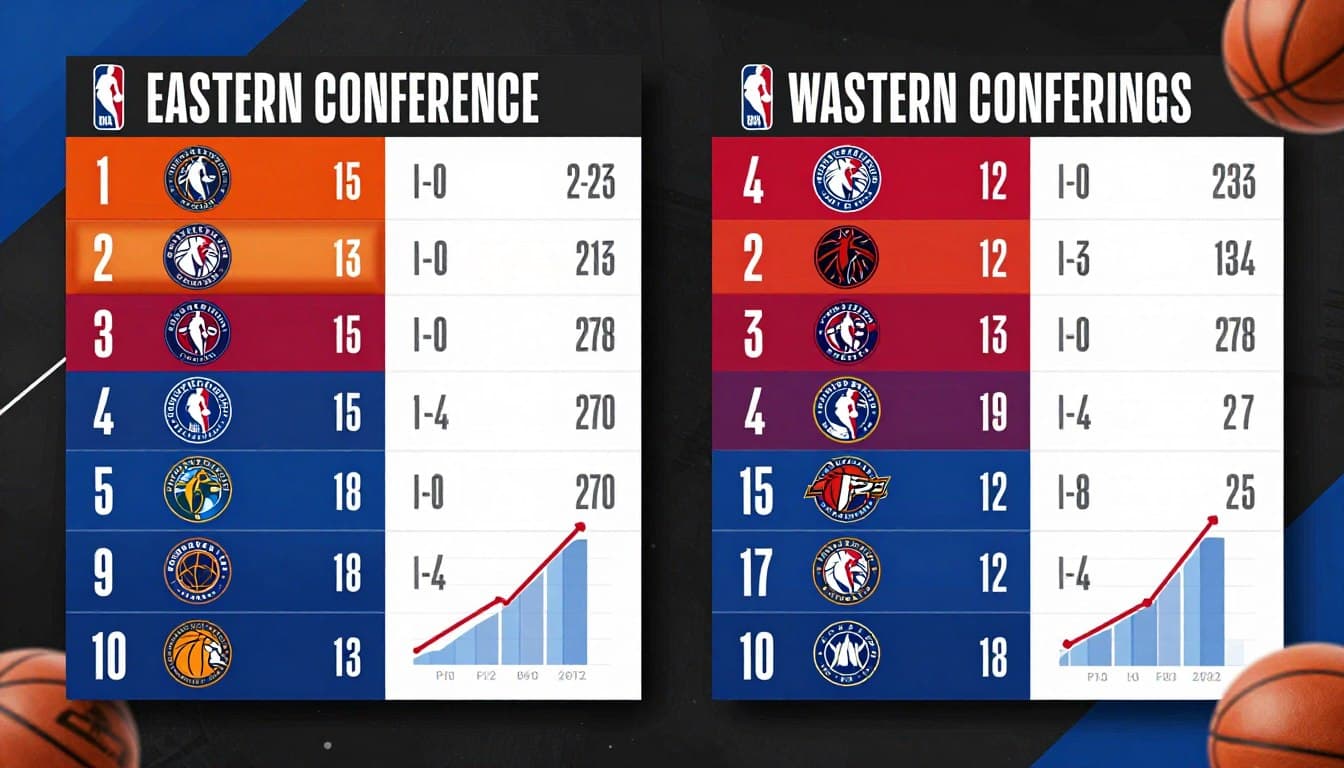
Eastern Conference franchises overview
The Eastern Conference blends historic powerhouses with rising clubs. The Atlantic, Central, and Southeast divisions contain storied franchises and market-driven rosters.
These teams shape playoff races and local rivalries.
Western Conference franchises overview
The Western Conference features recent champions, rebuilding cores, and veteran contenders. Depth across divisions creates nightly challenges for nba clubs.
It also builds long-term roster battles among teams.
Division-by-division breakdown for quick navigation
Below is a concise, division-focused list of nba teams with short notes on championships, notable eras, and current snapshots.
Treat this as the central directory for franchise entries later in the article.
- Atlantic Division
- Boston Celtics — 17 championships, multiple dynasties, perennial contender.
- Brooklyn Nets — recent star-era runs, strong market profile.
- New York Knicks — historic franchise with passionate fan base and rebuilding moves.
- Philadelphia 76ers — long playoff tradition, emphasis on star development.
- Toronto Raptors — 2019 champions, prominent international market presence.
- Central Division
- Chicago Bulls — 1990s dynasty led by Michael Jordan, global brand strength.
- Cleveland Cavaliers — 2016 title, LeBron-era highlights and recent resurgence.
- Detroit Pistons — multiple championships in different eras, strong defensive identity.
- Indiana Pacers — steady playoff presence, smart front-office continuity.
- Milwaukee Bucks — 2021 champions, built around Giannis Antetokounmpo’s dominance.
- Southeast Division
- Atlanta Hawks — fast-paced offense, young core with playoff upside.
- Charlotte Hornets — growing market, focus on draft and player development.
- Miami Heat — culture-driven franchise with recent competitiveness under Pat Riley and Erik Spoelstra.
- Orlando Magic — rebuilding through youth and draft assets.
- Washington Wizards — talent cycles mixed with cap and roster adjustments.
- Northwest Division
- Denver Nuggets — 2023 champions, strong chemistry and star play.
- Minnesota Timberwolves — young core with playoff potential under growing leadership.
- Oklahoma City Thunder — deep rebuild based on draft assets and a young nucleus.
- Portland Trail Blazers — franchise identity tied to marquee guards and passionate fans.
- Utah Jazz — consistent regular-season success and defensive focus in recent years.
- Pacific Division
- Golden State Warriors — modern dynasty fueled by shooting and multiple championships.
- Los Angeles Clippers — high payroll, playoff ambitions with star acquisitions.
- Los Angeles Lakers — storied history, many championships, and global reach.
- Phoenix Suns — recent title contenders anchored by veteran leadership and young talent.
- Sacramento Kings — long playoff drought ended with renewed competitiveness.
- Southwest Division
- Dallas Mavericks — 2011 champions, Luka Dončić era defines identity.
- Houston Rockets — past title runs, now rebuilding with youth and shooting focus.
- Memphis Grizzlies — gritty, defensive identity with an emerging core.
- New Orleans Pelicans — young superstar talent and evolving supporting cast.
- San Antonio Spurs — excellence from 1999–2014, now in long-term rebuild.
Use this compact directory to locate franchise profiles and compare market size, roster, and recent form among nba clubs.
For deeper reads, follow links in the full article to team histories and analytics on league teams.
Spotlight on Notable Franchises: Histories and Hallmarks
Across the NBA, certain franchises stand out for their histories, identities, and cultural reach. This section highlights legacy powerhouses, rising clubs, and underdog teams. These teams shape how fans follow basketball today.
Legacy powerhouses set standards that other NBA clubs measure themselves against. The Boston Celtics and Los Angeles Lakers have the most championships in league history. The Celtics’ 1950s–60s run and the Lakers’ Showtime era and early 2000s dynasty created global followings.
The Chicago Bulls’ 1990s dominance under Michael Jordan transformed basketball marketing worldwide.
The San Antonio Spurs built a quieter brand of success. Under Gregg Popovich, they won five titles and stayed competitive through good planning. These franchises shape trends and influence how teams structure front offices.
Rising clubs show how modern planning leads to titles and consistent play. The Denver Nuggets won the 2023 championship around Nikola Jokić. They used continuity and advanced analytics to improve performance.
The Milwaukee Bucks won a 2021 title powered by Giannis Antetokounmpo and a long-term player focus. Phoenix Suns and Dallas Mavericks reached recent Finals with cores that suggest sustained success if managed well.
The Oklahoma City Thunder and Minnesota Timberwolves have heavy draft capital and young talent. They stand as possible long-term contenders in the NBA future.
Underdogs and cult favorites earn devotion through identity and story. The Memphis Grizzlies shifted from “Grit and Grind” physicality to a fast-paced style with Ja Morant. This attracts fans who value edge and intensity.
The Sacramento Kings keep a passionate local base after years of playoff drought and a recent revival. Smaller-market clubs like the New Orleans Pelicans and Charlotte Hornets show how smart drafting and development can surprise bigger rivals.
These teams prove that any NBA entry can rise quickly with the right moves.
Why certain teams capture hearts often comes down to emotional stories and play styles. Underdog runs, stars like Kobe Bryant, and community ties build loyalty. Fans connect deeply with coaching philosophies and styles, from strong defense to spacing and shooting.
When judging which franchises are pillars or on the rise, consider championships, player talent, front office stability, and markets. These factors help teams stay relevant and build lasting fan loyalty.
Franchise Management and Roster Building: What Shapes Success
Smart roster construction separates contenders from rebuilding teams. Front offices balance draft assets, cap room, and coaching fit when planning long-term.
Fans scanning an nba teams list should watch how franchises combine scouting, development, and strategic trades to change trajectories.
Draft strategy centers on identifying talent and projecting growth. High lottery picks like LeBron James and Zion Williamson shifted franchise timelines.
International scouting produced stars such as Giannis Antetokounmpo and Luka Dončić. Clubs like the San Antonio Spurs blend global scouting with steady development.
G League affiliates and two-way contracts provide repetition and runway for young players. Teams investing in coaching and shooting coaches convert prospects into rotation pieces.
The Boston Celtics model pairs veteran additions with drafted talent to shorten rebuild windows.
Front office moves reshape rosters quickly. Blockbuster trades like the Kevin Garnett–Paul Pierce–Ray Allen deal rewrote competitive maps.
Cap management guides whether a team chases stars or builds depth through value signings.
Salary cap design, max contracts, and luxury tax force hard decisions. Golden State’s moves to retain core players contrast with Brooklyn’s early cap flexibility strategy.
Free agency choices hinge on market appeal, ownership willingness to spend, and city draw. These factors influence where talent lands across league teams.
Coaching styles give teams identity. Gregg Popovich’s adaptability and emphasis on fundamentals created a sustained Spurs culture.
Steve Kerr’s Warriors prioritize ball movement and spacing. Erik Spoelstra builds conditioning and two-way versatility in Miami.
Coaching continuity fosters stability. Long-tenured coaches imprint systems that guide roster construction.
Frequent turnover can stall identity formation and slow progress despite having talented rosters.
Analytics and executive leadership shape the modern blueprint. Data-driven shot selection, lineup optimization, and player evaluation inform daily decisions.
Franchises that align analytics, scouting, and coaching often see clearer pathways from prospect to contributor.
When evaluating any team from an nba teams list or assessing franchises nba prospects, consider draft outcomes, front-office philosophy, and coaching fit.
These institutional choices often determine long-term direction more than isolated moves in a single season.
Fan Experience and Local Culture Around NBA Clubs
From packed arenas to digital campaigns, the fan experience shapes how nba clubs connect with their cities. Home games become rituals where local food, music, and chants create a distinct identity for each franchise.
That identity helps basketball teams turn casual viewers into repeat attendees and brand advocates.
Arena atmospheres and game-day traditions
Iconic venues like Madison Square Garden, Crypto.com Arena, and the United Center offer unique moods tied to team history. Pre-game shootarounds, halftime shows, and themed nights such as whiteouts or blackouts build momentum before the first tip.
In-arena services now emphasize comfort and convenience. Mobile ticketing, in-seat ordering, premium suites, and local food partnerships aim to make every visit special for nba fans.
Community outreach, rivalries, and regional loyalties
Franchise-led programs support youth basketball, education, and social services. Miami Heat and Los Angeles Lakers have community foundations that deliver local impact and deepen fan ties.
Historic rivalries—Lakers vs. Celtics, Warriors vs. Cavaliers, Bulls vs. Pistons—fuel attendance and media focus. Regional loyalties around teams like the San Antonio Spurs or Portland Trail Blazers build civic pride and long-term engagement.
Merchandising, media coverage, and digital engagement
Merchandise drives visibility through jerseys, throwbacks, and limited-edition drops like City Edition uniforms from Nike. These releases boost revenue and keep fans connected to team heritage.
Local beat reporters, regional sports networks, and national broadcasters shape the narrative around teams. Strong media exposure raises a club’s profile and affects how free agents and sponsors view a market.
Digital strategies focus on quick highlights, behind-the-scenes content, and interactive apps. Teams use platforms like X, YouTube, and TikTok to reach younger fans and extend the arena experience into daily life.
- Game-night rituals: chants, mascot stunts, and community recognition segments.
- Fan services: loyalty programs, in-arena tech, and local culinary offerings.
- Outreach: youth camps, school partnerships, and hometown philanthropy.
Strong fan cultures create financial value for franchises. High engagement helps with ticket sales, merchandise demand, and national attention that boosts clubs’ standings among nba teams.
Conclusion
This article set out to deliver a complete nba teams list and a practical guide to evaluating franchises nba. We covered history, key metrics like championships and win-loss records, market and brand factors, front-office strategy, and the fan culture that shapes each club.
Readers now have a framework to compare basketball teams beyond simple standings.
Key takeaways: legacy matters, but present-day indicators matter just as much. Understanding a team means weighing historical achievements against roster construction, draft success, and coaching.
Market size and brand identity influence resources, yet smart drafting and player development can lift smaller markets into contention among league teams.
Fan engagement and organizational stability are often signs of long-term success. While franchises like the Boston Celtics and Los Angeles Lakers carry cultural weight, the modern NBA rewards adaptive front offices and strong development pipelines.
This keeps the competitive landscape open and dynamic for all nba teams.
Use the nba teams list and the section guides here to explore individual franchises, track seasonal shifts, and form your own assessments.
Pay attention to the metrics and cultural factors discussed, and revisit profiles as rosters and strategies evolve across the league teams.
Your evaluation will grow sharper with each season of observation.
Content created with the help of Artificial Intelligence.