Anuncios
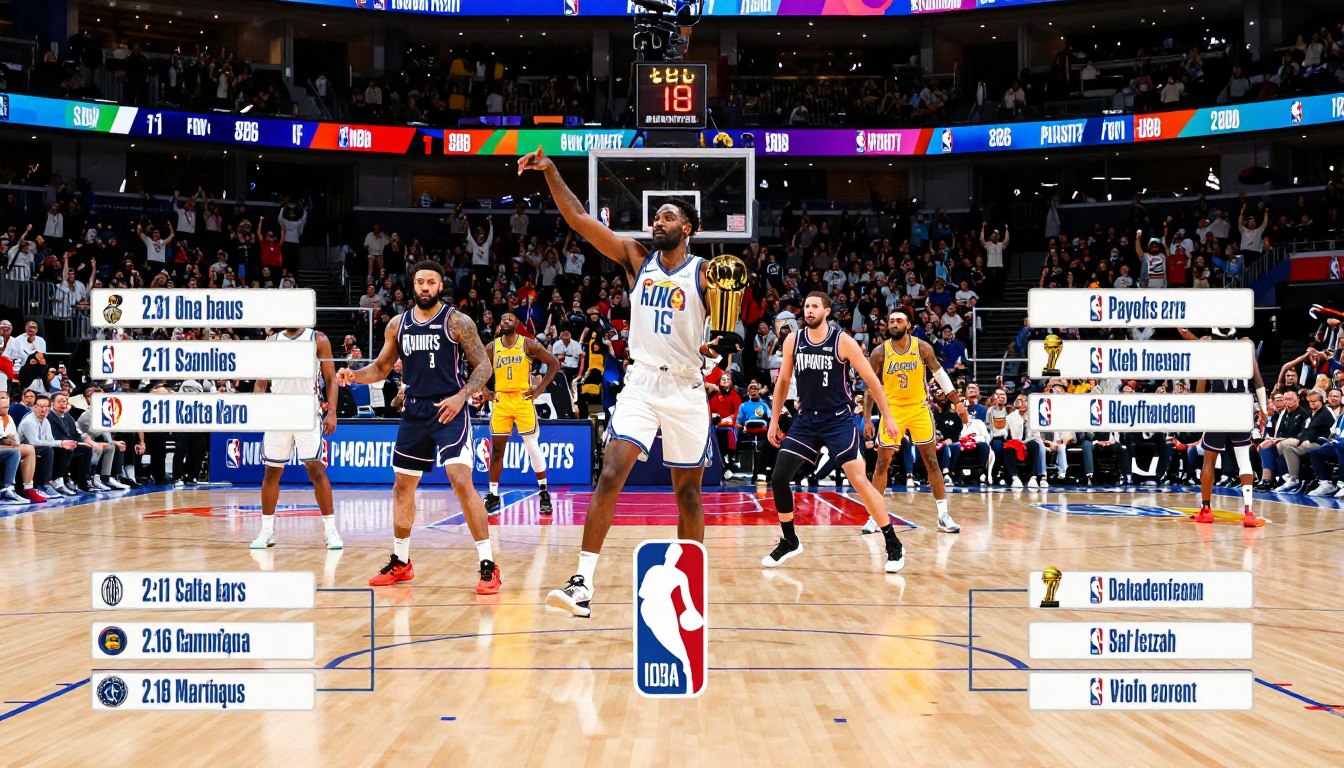
Este Lista de campeones de la NBA Muestra a todos los ganadores de las Finales desde el inicio de la liga hasta la última temporada. Registra a los campeones por temporada e indica el rival en las Finales. También muestra el resultado de la serie; por ejemplo, los Chicago Bulls de 1995-96 vencieron a los Seattle SuperSonics por 4-2.
Este registro ayuda a rastrear los títulos de la NBA a través de diferentes épocas. Destaca los patrones que subyacen a los equipos que ganan campeonatos.
Anuncios
Desde los inicios de la BAA y los Minneapolis Lakers hasta el dominio de los Celtics en la década de 1960, la lista muestra dinastías clave del baloncesto. Incluye épocas como la de Los Angeles Lakers de la década de 1980 y la de los Chicago Bulls de la década de 1990.
La lista también abarca el largo éxito de los San Antonio Spurs y campeones recientes como los Milwaukee Bucks y los Denver Nuggets. Mirando a ganadores de todos los tiempos Ayuda a explicar cómo los cambios en las reglas, los movimientos de los jugadores y las estrategias de los equipos influyeron en los resultados de los campeonatos.
Utilice esta lista para debatir sobre el legado, comparar épocas y estudiar la evolución de la finales de la nba. Para periodistas, analistas y aficionados, es una herramienta clave para observar cómo los equipos logran un éxito duradero. Los títulos de la NBA también reflejan tendencias más amplias en este deporte.
Lista de campeones de la NBA
Este esquema prepara a los lectores para un relato temporada por temporada de los campeones. También guía la tabla de campeones y muestra las rachas de títulos más famosas. Lista de campeones de la NBA Combina a los ganadores de la era BAA con la historia de la NBA.
Muestra la línea completa de equipos ganadores en el finales de la nba.
Listado cronológico completo de los ganadores de las Finales de la NBA
La lista comienza con los campeones de la BAA de 1946-47, los Philadelphia Warriors. Continúa anualmente hasta el campeón más reciente de la NBA. Cada entrada documenta la temporada, la franquicia campeona, el rival en las Finales y el resultado de la serie.
- 1946–47: Philadelphia Warriors vencieron a Chicago Stags, 4–1
- 1947–48: Baltimore Bullets derrotó a Philadelphia Warriors, 4–2
- 1948–49: Los Minneapolis Lakers vencieron a los Syracuse Nationals, 4–2
- 1949–50: Minneapolis Lakers vencieron a Syracuse Nationals, 4–2
- 1950–51: Rochester Royals venció a New York Knicks, 4–3
- 1951–52: Los Minneapolis Lakers vencieron a los New York Knicks, 4–3
- 1952–53: Los Minneapolis Lakers vencieron a los New York Knicks, 4–1
- 1953–54: Los Minneapolis Lakers vencieron a los Syracuse Nationals, 4–3
- 1954–55: Syracuse Nationals derrotó a Fort Wayne Pistons, 4–3
- 1955–56: Philadelphia Warriors derrotó a Fort Wayne Pistons, 4–1
- 1956–57: Boston Celtics venció a St. Louis Hawks, 4–3
- 1957–58: Los St. Louis Hawks vencieron a los Boston Celtics, 4–2
- 1958–59: Boston Celtics derrotó a Minneapolis Lakers, 4–0
- 1959–60: Boston Celtics derrotó a St. Louis Hawks, 4–3
- 1960–61: Boston Celtics derrotó a St. Louis Hawks, 4–1
- 1961–62: Boston Celtics derrotó a Los Angeles Lakers, 4–3
- 1962–63: Boston Celtics derrotó a Los Angeles Lakers, 4–2
- 1963–64: Boston Celtics derrotó a San Francisco Warriors, 4–1
- 1964–65: Boston Celtics derrotó a Los Angeles Lakers, 4–1
- 1965–66: Boston Celtics derrotó a Los Angeles Lakers, 4–3
- 1966–67: Philadelphia 76ers vencieron a San Francisco Warriors, 4–2
- 1967–68: Boston Celtics derrotó a Los Angeles Lakers, 4–2
- 1968–69: Boston Celtics venció a Los Angeles Lakers, 4–3
- 1969–70: Los New York Knicks vencieron a Los Angeles Lakers, 4–3
- 1970–71: Milwaukee Bucks derrotó a Baltimore Bullets, 4–0
- 1971–72: Los Angeles Lakers vencieron a New York Knicks, 4–1
- 1972–73: Los New York Knicks vencieron a Los Angeles Lakers, 4–1
- 1973–74: Boston Celtics derrotó a Milwaukee Bucks, 4–3
- 1974–75: Golden State Warriors vencieron a Washington Bullets, 4–0
- 1975–76: Boston Celtics derrotó a Phoenix Suns, 4–2
- 1976–77: Portland Trail Blazers vencieron a Philadelphia 76ers, 4–2
- 1977–78: Washington Bullets derrotó a Seattle SuperSonics, 4–3
- 1978–79: Seattle SuperSonics derrotó a Washington Bullets, 4–1
- 1979–80: Los Angeles Lakers vencieron a Philadelphia 76ers, 4–2
- 1980-81: Boston Celtics derrotó a Houston Rockets, 4-2
- 1981–82: Los Angeles Lakers vencieron a Philadelphia 76ers, 4–2
- 1982–83: Philadelphia 76ers derrotó a Los Angeles Lakers, 4–0
- 1983–84: Boston Celtics derrotó a Los Angeles Lakers, 4–3
- 1984–85: Los Angeles Lakers vencieron a Boston Celtics, 4–2
- 1985–86: Boston Celtics derrotó a Houston Rockets, 4–2
- 1986–87: Los Angeles Lakers vencieron a Boston Celtics, 4–2
- 1987–88: Los Angeles Lakers vencieron a Detroit Pistons, 4–3
- 1988–89: Detroit Pistons derrotó a Los Angeles Lakers, 4–0
- 1989–90: Detroit Pistons venció a Portland Trail Blazers, 4–1
- 1990–91: Chicago Bulls venció a Los Angeles Lakers, 4–1
- 1991–92: Chicago Bulls venció a Portland Trail Blazers, 4–2
- 1992–93: Chicago Bulls venció a Phoenix Suns, 4–2
- 1993–94: Houston Rockets derrotó a New York Knicks, 4–3
- 1994–95: Houston Rockets derrotó a Orlando Magic, 4–0
- 1995–96: Chicago Bulls venció a Seattle SuperSonics, 4–2
- 1996–97: Chicago Bulls derrotó a Utah Jazz, 4–2
- 1997–98: Chicago Bulls derrotó a Utah Jazz, 4–2
- 1998–99: San Antonio Spurs derrotó a New York Knicks, 4–1
- 1999-00: Los Angeles Lakers vencieron a Indiana Pacers, 4-2
- 2000–01: Los Angeles Lakers vencieron a Philadelphia 76ers, 4–1
- 2001–02: Los Angeles Lakers vencieron a New Jersey Nets, 4–0
- 2002-03: San Antonio Spurs venció a New Jersey Nets, 4-2
- 2003-04: Detroit Pistons derrotó a Los Angeles Lakers, 4-1
- 2004-05: San Antonio Spurs venció a Detroit Pistons, 4-3
- 2005-06: Miami Heat derrotó a Dallas Mavericks, 4-2
- 2006-07: San Antonio Spurs derrotó a Cleveland Cavaliers, 4-0
- 2007-08: Boston Celtics derrotó a Los Angeles Lakers, 4-2
- 2008-09: Los Angeles Lakers vencieron a Orlando Magic, 4-1
- 2009-10: Los Angeles Lakers vencieron a Boston Celtics, 4-3
- 2010-11: Dallas Mavericks venció a Miami Heat, 4-2
- 2011–12: Miami Heat derrotó a Oklahoma City Thunder, 4–1
- 2012-13: Miami Heat derrotó a San Antonio Spurs, 4-3
- 2013-14: San Antonio Spurs derrotó a Miami Heat, 4-1
- 2014-15: Golden State Warriors vencieron a Cleveland Cavaliers, 4-2
- 2015-16: Cleveland Cavaliers vencieron a Golden State Warriors, 4-3
- 2016–17: Golden State Warriors vencieron a Cleveland Cavaliers, 4–1
- 2017-18: Golden State Warriors derrotó a Cleveland Cavaliers, 4-0
- 2018-19: Toronto Raptors derrotó a Golden State Warriors, 4-2
- 2019-20: Los Angeles Lakers vencieron a Miami Heat, 4-2
- 2020–21: Milwaukee Bucks vencieron a Phoenix Suns, 4–2
- 2021–22: Golden State Warriors vencieron a Boston Celtics, 4–2
- 2022–23: Denver Nuggets venció a Miami Heat, 4–1
- 2023–24: [Aquí debe insertarse el campeón más reciente, según corresponda]
Cómo interpretar la tabla de campeones: temporadas, nombres de los equipos y títulos.
Cada columna de la tabla tiene una función clara. La columna Temporada muestra el año de la campaña, generalmente una división como 1995–96. La columna "Campeón" indica el nombre de la franquicia en el momento de obtener el título.
La columna del oponente de la final muestra al subcampeón. La columna del resultado de la serie muestra el marcador de la final, como 4-2. MVP de las Finales La columna se publicó durante años después de 1969.
El recuento de títulos de franquicia muestra el total de campeonatos obtenidos por la organización. En el caso de equipos que se reubicaron o cambiaron de nombre, los títulos se mantienen en el registro de la franquicia original. Por ejemplo, los títulos de los Minneapolis Lakers pertenecen a los Los Angeles Lakers.
Rachas de dinastías y títulos destacadas a lo largo de las épocas.
Las rachas históricas demuestran cómo las dinastías moldearon la liga. Los Boston Celtics ganaron ocho campeonatos consecutivos entre 1959 y 1966. Este es un ejemplo famoso de éxito sostenido.
Los Minneapolis/Los Angeles Lakers tuvieron rachas dominantes en las décadas de 1950 y 1980. Los Chicago Bulls lograron dos tricampeonatos consecutivos en la década de 1990.
Los cinco títulos de San Antonio bajo la dirección de Gregg Popovich y Tim Duncan abarcan desde 1999 hasta 2014. Esto demuestra una planificación constante por parte de la directiva. Los Golden State Warriors ganaron títulos en 2015, 2017 y 2018, redefiniendo las expectativas para los equipos modernos.
Otras rachas de éxito de equipos liderados por superestrellas, como los Miami Heat y Los Angeles Lakers, demuestran cómo la estabilidad de la plantilla, el cuerpo técnico y la cultura del equipo generan títulos repetidos.
Evolución histórica de los campeones y títulos de la NBA
La historia de campeones de la nba muestra cambios en las reglas, la formación de equipos y el equilibrio competitivo. Desde los primeros poseedores de títulos hasta los ganadores actuales impulsados por datos, cada era dio forma a historia del baloncesto. Estos momentos conformaron la lista de títulos nba Los equipos se esfuerzan por ganar.
Primeros campeones de la NBA y la BAA: la era fundacional de la liga.
La Basketball Association of America coronó a los Philadelphia Warriors de 1947 antes de transformarse en la NBA. Plantillas reducidas y el reclutamiento local fueron clave para el éxito de aquellos primeros campeones. Equipos como los Minneapolis Lakers, liderados por George Mikan, establecieron los primeros estándares de victoria.
El tamaño de la liga se mantuvo pequeño en las décadas de 1940 y 1950. Los viajes eran regionales, los presupuestos ajustados y los equipos dependían de jugadores locales. Estos hechos moldearon los primeros estilos de juego y el camino hacia finales de la nba éxito.
La era posterior a las fusiones y el impacto de la expansión en los equipos ganadores
La fusión de la ABA y la NBA en 1976 trajo consigo nuevos talentos y un estilo de juego más dinámico. Julius Erving y los jugadores de la ABA introdujeron un juego más libre y atlético que influyó en los aspirantes al campeonato. La expansión en las décadas de 1970 y 1980 aumentó la igualdad y el número de equipos contendientes.
La rivalidad entre los Lakers y los Celtics en la década de 1980 marcó la historia de los campeonatos modernos. La reestructuración de las conferencias y el crecimiento de las franquicias modificaron la forma en que los equipos llegaban a las finales de la NBA. Equipos de expansión como los San Antonio Spurs se convirtieron en serios contendientes gracias a una gestión estable y un sólido desarrollo de jugadores.
Campeones de la era moderna: cambios en el estilo de juego y la construcción de franquicias.
Desde la década de 2000 hasta la de 2020, el juego rápido y el tiro de tres puntos transformaron la estructura de los equipos. El análisis de datos y la gestión de la carga de trabajo influyeron en el tiempo de juego y la selección de jugadores. Super equipos como los Miami Heat y los Golden State Warriors cambiaron la dinámica de la competición por el campeonato.
La agencia libre y el empoderamiento de los jugadores, como se vio en los movimientos de LeBron James, cambiaron la forma en que los equipos planifican sus estrategias para ganar títulos. Los topes salariales obligaron a crear equipos más creativos. El análisis de datos ayudó a predecir los playoffs y a encontrar jugadores clave para los campeonatos.
Las franquicias y títulos más exitosos cuentan
El poder de la NBA se basa en franquicias con una sólida trayectoria de campeonatos. Los aficionados valoran el legado a través de títulos y rachas históricas. Esta sección enumera a los principales campeones y sus figuras clave.
Franquicias líderes por número total de campeonatos
- Boston Celtics — 17 títulos nba, liderados por la dirección de Red Auerbach y la defensa de Bill Russell.
- Los Angeles Lakers — 17 títulos nba, desde la época de Minneapolis hasta las eras de Magic Johnson y LeBron James.
- Golden State Warriors — 7 campeonatos de franquicia liderados por Stephen Curry, Klay Thompson y Draymond Green.
- Chicago Bulls — 6 títulos de la NBA, impulsados por Michael Jordan y Scottie Pippen bajo la dirección de Phil Jackson.
- San Antonio Spurs — 5 campeonatos de franquicia, definidos por Gregg Popovich, Tim Duncan y plantillas sólidas.
¿Qué impulsó su éxito?
Los cambios en el cuerpo técnico y la directiva fueron clave para el éxito de muchos equipos. La ventaja inicial de Boston provino de un ataque rápido y una defensa férrea.
Los Ángeles combinó jugadores estrella con decisiones inteligentes en la plantilla para ganar durante muchos años. San Antonio utilizó la continuidad, el reclutamiento internacional y un sistema de juego bien definido.
Golden State utilizó el espaciado en la cancha, los tiros de tres puntos y selecciones acertadas en el draft para construir una base que le valió múltiples títulos. Chicago dependía de un gran anotador y una segunda estrella confiable en la ofensiva triangular.
Comparación de modelos dinásticos
Las dinastías siguieron planes diferentes. Algunas se centraron en un jugador estrella con un sólido respaldo.
Otros se apoyaron en sistemas de entrenamiento y organizaciones estables que perduraban más allá de la carrera de los jugadores. Algunos equipos optaron por el desarrollo mediante el draft; otros avanzaron más rápido mediante traspasos o fichajes de agentes libres.
Legados de franquicia, reubicación y títulos retenidos
Los campeonatos se mudan con las franquicias, no con las ciudades. Los títulos de los Minneapolis Lakers pertenecen a los Los Angeles Lakers.
La historia de los Syracuse Nationals forma parte de los totales de los Philadelphia 76ers. El legado de los New Jersey Nets pertenece a los Brooklyn Nets.
Los cambios de ubicación, de imagen y de mercado influyen en cómo los aficionados perciben la historia. Pero el número oficial de títulos sigue ligado a la continuidad de la franquicia.
Estos registros explican las rivalidades y el peso cultural perdurable de ciertos equipos de baloncesto.
Series icónicas de las Finales de la NBA y momentos decisivos
Las Finales de la NBA han tenido momentos que cambiaron la forma en que los fanáticos y los equipos ven el éxito. Tiros en el último segundo y sorpresas en series completas han marcado historia del baloncesto. Ayudaron a definir lo que significa ser un campeón de la NBA.
Series clásicas que marcaron épocas:
- Celtics vs. Lakers de 1969: El liderazgo de Bill Russell y la dolorosa derrota de los Lakers sentaron un precedente en cuanto a defensa decisiva y aplomo de los veteranos.
- Los enfrentamientos entre los Celtics y los Lakers de 1984-85: Magic Johnson y Larry Bird aumentaron el interés de los aficionados y reavivaron la atención nacional en las finales.
- Bulls vs. Jazz de 1998: Los momentos estelares de Michael Jordan en la consecución del campeonato pusieron fin a una dinastía y crearon una de las imágenes más repetidas en la historia del baloncesto.
- El triplete de los Lakers entre 2000 y 2002: Shaquille O'Neal y Kobe Bryant combinaron potencia y habilidad. Juntos crearon el modelo de un equipo ganador y dominante.
- Enfrentamientos entre Warriors y Cavaliers en 2015, 2017 y 2016: La ofensiva de Golden State y la resiliencia de Cleveland cambiaron las estrategias de la liga y las narrativas sobre los campeones.
Jugadas decisivas y actuaciones de MVP:
- El tiro de Jordan en los últimos instantes del partido de 1998 fue un momento decisivo que impulsó su legado en las finales.
- El triple de Ray Allen desde la esquina en 2013 para los Heat forzó la prórroga y cambió el rumbo de un partido clave.
- La canasta sobre la bocina de Kawhi Leonard en 2019 le dio a Toronto su primer título y cambió la percepción sobre los campeones internacionales.
- Magic Johnson's 1980 MVP de las Finales Como novato, demostró cómo un solo partido puede lanzar a una estrella a la fama.
- Los numerosos premios MVP de las Finales de LeBron James demuestran su importancia a la hora de definir los estándares de liderazgo en los playoffs modernos.
Cómo una sola serie alteró la percepción de los equipos:
- La victoria de los Detroit Pistons sobre los Lakers en 2004 puso en tela de juicio la idea de que las estrellas siempre garantizan un campeonato.
- La victoria de los Dallas Mavericks sobre los Heat en 2011 puso de manifiesto que la experiencia, la definición de roles y la química del equipo fueron claves para el triunfo.
- La remontada de Cleveland en 2016, tras ir perdiendo 3-1 contra Golden State, cambió las probabilidades de remontada e impulsó el legado de LeBron.
Estos Finales icónicas de la NBA Los momentos hicieron más que coronar campeones. Cambiaron la conformación de los equipos, el entrenamiento y la cultura de los aficionados. Cada jugada o sorpresa dejó una huella en cómo equipos ganadores se construyen y se recuerdan.
Jugadores clave y liderazgo detrás de los equipos campeones
Los grandes campeones combinan talento estelar, un entrenamiento inteligente y plantillas amplias. Esta sección muestra cómo la excelencia, las tácticas y los jugadores de rol ayudan a los equipos a ganar títulos.
Miembros del Salón de la Fama y Jugadores Más Valiosos de las Finales que lideraron caminos hacia el título.
La defensa y los rebotes de Bill Russell definieron la dinastía de los Celtics. El dominio de Wilt Chamberlain cambió la forma de jugar de los rivales. Magic Johnson y Larry Bird lideraron con una visión de juego que transformó a sus equipos.
La capacidad anotadora y la fuerza de voluntad de Michael Jordan crearon un modelo moderno para el juego decisivo. La fortaleza de Shaquille O'Neal en la pintura ayudó a los Lakers a ganar muchos anillos. El juego constante de Tim Duncan fue el pilar de los Spurs.
La capacidad anotadora y la determinación de Kobe Bryant marcaron momentos cruciales. LeBron James combinó anotación y visión de juego para cambiar el rumbo de los enfrentamientos. Los tiros de Stephen Curry redefinieron el espacio y el ritmo en la cancha.
Kevin Durant anotó con eficiencia en situaciones de uno contra uno. La defensa y la ofensiva oportuna de Kawhi Leonard cerraron muchas series. Miembros del Salón de la Fama y los MVP aportaron estadísticas, liderazgo y momentos que cambiaron el resultado de las Finales.
Estrategias de entrenamiento y decisiones de la directiva que crearon campeones.
Phil Jackson utilizó la ofensiva triangular para generar espacios y opciones en el poste. Gregg Popovich se centró en los fundamentos, las rotaciones y el desarrollo de los jugadores. Steve Kerr valoraba la circulación del balón, el espaciado y el ritmo rápido.
Los entrenadores ajustan el tiempo de juego, los emparejamientos y el ritmo para explotar las debilidades de los oponentes. Las oficinas directivas dan forma a las plantillas a través de los drafts, los intercambios y límite salarial gestión.
Los ojeadores de San Antonio descubrieron jugadores internacionales versátiles. Las selecciones del draft y los fichajes de Golden State conformaron una base ideal para el juego actual. El trío estelar de agentes libres de Miami cambió la forma en que compiten los equipos.
Una selección inteligente de jugadores y movimientos en el límite salarial ayudan a los equipos a mantener una plantilla sólida durante las largas temporadas de playoffs.
Jugadores de rol y profundidad de plantilla: contribuyentes anónimos a los campeonatos
Los jugadores de rol influyen en las series de maneras sutiles pero cruciales. Los triples de Robert Horry en los últimos minutos ganaron partidos ajustados. Los tiros decisivos de Derek Fisher cambiaron el impulso de los playoffs. Andre Iguodala se ganó un MVP de las Finales marcando al mejor anotador y proporcionando un ataque oportuno.
Jugadores de la banca como Patty Mills, Manu Ginóbili y Mike Miller aportaron ráfagas de anotación y flexibilidad. Los especialistas defensivos, los reboteadores y los tiradores de tres puntos suelen decidir el resultado de las series.
Los entrenadores utilizan a jugadores de rol para proteger las ventajas, frenar a los máximos anotadores y estirar las defensas. La profundidad de la plantilla mantiene a los jugadores frescos, permitiendo que las estrellas brillen en los momentos clave de los playoffs.
Tendencias y análisis para determinar a los campeones de la NBA
El análisis de datos ha transformado la forma en que los equipos buscan títulos. Ahora combinan estadísticas avanzadas con el análisis de jugadores. Esto ayuda a los equipos a evaluar a los contendientes y planificar los movimientos en sus plantillas.
Estadísticas y métricas avanzadas que predicen a los aspirantes al título.
Los equipos realizan un seguimiento del Índice de Eficiencia del Jugador, las Victorias Contribuidas, el Box Plus/Minus, el Real Plus-Minus y las calificaciones ofensivas y defensivas para medir el impacto del jugador.
El índice de rendimiento neto a nivel de equipo es un claro indicador del potencial para los playoffs. Los modelos predictivos utilizan este índice, la dificultad del calendario y las métricas de los playoffs para estimar las probabilidades de ganar el campeonato. Estos modelos también consideran los estilos de juego y la profundidad de la banca para el éxito en los playoffs.
Límite salarial, conformación de la plantilla y probabilidad de campeonato
El suave límite salarial, Los derechos de Bird, las excepciones de nivel medio y las estrategias de la lista de guías del impuesto de lujo. Los equipos utilizan límite salarial Contratos que combinan espacio y tiempo para maximizar las posibilidades de campeonato.
Algunos equipos se construyen a través del draft, como los Spurs. Otros combinan talento de la cantera con nuevos jugadores, como los Warriors. Otra opción es formar dúos estelares o super equipos, como hicieron los Heat a principios de la década de 2010 o los Warriors en la temporada 2016-17 para aumentar sus posibilidades de ganar el título.
Impacto de las lesiones, la gestión de la carga de trabajo y los formatos de playoffs en los resultados
Las lesiones de estrellas como Kevin Durant en 2019 pueden cambiar drásticamente las esperanzas de título. La gestión de la carga de trabajo mantiene a los mejores jugadores sanos para los playoffs.
Nuevo formatos de playoffs, Torneos como el de repesca crean oportunidades para los equipos con menor clasificación. Estos cambios también afectan la estrategia de los favoritos. La ciencia deportiva y el personal médico desempeñan ahora un papel fundamental para que los jugadores estén preparados para ganar los títulos que los aficionados desean ver.
Conclusión
El Lista de campeones de la NBA sirve como un libro de contabilidad compacto de historia del baloncesto y un marco para evaluar franquicias, jugadores, entrenadores y directivas. Al analizar el resultado de cada final de la NBA y el total de títulos, los lectores pueden observar cómo se formaron las dinastías y cómo equipos como los Boston Celtics y Los Angeles Lakers establecieron estándares a largo plazo.
La lista también muestra cómo equipos ganadores Adaptarse a través de las épocas. Los patrones clave se repiten: el talento superestrella sostenido, el entrenamiento de élite y la estabilidad organizacional impulsan la mayoría de los campeonatos. El análisis moderno, el énfasis en los tres puntos, la estrategia del tope salarial y el reclutamiento global han transformado la forma en que campeones de la nba están construidos.
Estos cambios implican que los títulos actuales reflejan filosofías distintas, aunque conservan el mismo prestigio. El número de títulos históricos sigue siendo fundamental en los debates sobre el legado, pero el contexto es crucial. La época, el nivel de competición y los cambios en las reglas influyen en las comparaciones entre campeones del pasado y del presente.
Seguimiento de la campeones de la nba La lista temporada tras temporada ayuda a los aficionados y analistas a detectar tendencias. También ayuda a evaluar qué franquicias tienen más probabilidades de ampliar su legado en futuras finales de la NBA.
Contenido creado con la ayuda de Inteligencia Artificial.