Anúncios
rivalidades no futebol Transformam partidas comuns em histórias que duram a vida toda. Incluem clássicos de clubes, confrontos transfronteiriços e batalhas entre seleções nacionais. Essas rivalidades moldam a identidade dos torcedores e das cidades, impulsionando a venda de ingressos e os direitos de transmissão televisiva.
Grandes ligas como a Premier League, La Liga, Serie A e Bundesliga sediam eventos. partidas de derby que atraem a atenção global. Eventos internacionais como a Copa do Mundo da FIFA, a Liga dos Campeões da UEFA e a Copa América acrescentam ainda mais emoção. Partidas históricas Aqui se escrevem capítulos importantes na memória nacional.
Anúncios
Este artigo explora o maiores rivalidades do futebol e por que elas são importantes. Vamos analisar... jogos clássicos, lutas em clubes e nacionais, e intensas derbies locais. Mais tarde, exploraremos cultura de fãs, cânticos, faixas e como a mídia molda essas rivalidades.
Você verá exemplos vívidos de partidas de derby, jogos clássicos, e opiniões de fãs que mostram por que essas rivalidades são importantes dentro e fora de campo.
Principais conclusões
- rivalidades no futebol incluem clássicos de clubes, competições transfronteiriças e rivalidades entre seleções nacionais que influenciam a identidade e a economia.
- As principais ligas e torneios oferecem palcos onde partidas de derby e jogos clássicos tornar-se fenômenos globais.
- Partidas históricas Frequentemente, redefinem clubes ou seleções nacionais e alimentam narrativas de rivalidade de longo prazo.
- Cultura de fãs E a mídia amplifica as rivalidades, transformando jogos isolados em histórias duradouras.
- Este artigo abordará partidas icônicas, confrontos entre clubes e seleções nacionais, derbies locais, pontos de virada históricos, e psicologia do fã.
Clássicos Globais: Partidas Icônicas que Definiram a História do Futebol
Algumas partidas transcendem os placares e se tornam símbolos para fãs, jogadores e nações. Esses jogos clássicos misturam alta tensão, drama, táticas e atuações individuais inesquecíveis.
Eles constroem futebol história e alimentou muitas rivalidades famosas no esporte.
O que torna uma partida um "clássico"?“
Um jogo clássico tem gols que mudam o rumo da partida e aliviam a pressão de disputar títulos ou se classificar para a final. Também apresenta momentos de habilidade individual que os fãs assistem por décadas.
Por exemplo, a arrancada individual de Diego Maradona contra a Inglaterra em 1986 demonstrou genialidade na Copa do Mundo. Os jogos do Milan na década de 1990 exibiram inteligência técnica e inovação tática.
Partidas históricas Estabelecer novos padrões ou mudar reputações. A final da Taça dos Campeões Europeus de 1960 demonstrou a força inicial do Real Madrid na Europa.
A final da Liga dos Campeões de 1999 entre Manchester United e Bayern de Munique é famosa pelo drama que se desenrolou nos momentos finais.
Finais memoráveis e momentos decisivos na história do futebol.
As finais da Copa do Mundo criam momentos culturais marcantes. A vitória do Brasil em 1970, com Pelé, moldou um estilo ideal que inspirou muitas gerações.
A vitória da França em 1998 elevou o orgulho nacional e o interesse dos jovens. A conquista da Copa do Mundo pela Espanha em 2010 comprovou que um estilo de posse de bola mudou o treinamento de futebol em todo o mundo.
Formato clássico do clube futebol também em outras épocas. A virada do Liverpool em Istambul, em 2005, mostrou resiliência e influenciou transferências e treinadores.
O Barcelona de Pep Guardiola, a partir de 2008, mudou suas táticas e tendências de transferências, começando pelos grandes jogos do El Clásico.
Impacto dos jogos clássicos nas identidades dos clubes e das nações
Os jogos clássicos tornam-se parte da identidade e da memória de um clube ou país. As partidas entre Bayern de Munique e Borussia Dortmund contam histórias de rivalidade e excelência na Alemanha.
A Copa do Mundo de 1974 da Holanda mostrou o "Total" Futebol,”Um estilo que ainda enche de orgulho os fãs holandeses.”.
Além do aspecto cultural, os jogos emblemáticos geram valor econômico. Os clubes utilizam essas partidas em museus, anúncios e programas para torcedores, visando aumentar a fidelização e a receita.
Eles intensificam as rivalidades criando ressentimentos, idolatria e histórias que os fãs compartilham por gerações.
Rivalidades no futebol: confrontos famosos entre clubes e seleções nacionais
rivalidades no futebol Os confrontos assumem muitas formas, desde duelos globais entre clubes até tensos encontros entre seleções nacionais. Essas partidas moldam calendários e alimentam a devoção dos torcedores. História, política e sucesso permeiam cada rivalidade, criando narrativas que transcendem os muros do estádio.
Rivalidades entre clubes que transcendem fronteiras
O El Clásico, entre Real Madrid e Barcelona, mescla esporte de elite com a identidade catalã e espanhola. Essa divisão transformou o clássico em um espetáculo global, representando um importante trunfo comercial para ambos os clubes.
Na Argentina, o Superclássico entre Boca Juniors e River Plate mostra como a paixão local conquista a atenção do mundo todo. La Bombonera e o Monumental criam atmosferas inesquecíveis.
A rivalidade entre Manchester United e Liverpool tem raízes na competição industrial e no sucesso no futebol. Os jogos atraem torcedores em todos os continentes e costumam ser importantes nas campanhas europeias.
Sucesso em campo, transferências de alto nível e encontros repetidos em competições da UEFA amplificam a rivalidade. rivalidades entre clubes. Esses fatores transformam ressentimentos domésticos em disputas globais. Eles também atraem o público neutro.
Rivalidades entre seleções nacionais e encontros históricos
Alguns rivalidades entre seleções nacionais A rivalidade entre Argentina e Brasil remonta a gerações, sendo uma batalha pela supremacia sul-americana, repleta de talento e com grandes apostas em jogo.
Inglaterra e Alemanha compartilham uma história em Copas do Mundo, incluindo partidas memoráveis em 1966 e 1990. Esses jogos moldaram narrativas e permanecem como pontos de referência para o público.
Os Estados Unidos e o México disputam o orgulho regional nas partidas da CONCACAF. Esses jogos despertam fortes emoções entre os torcedores e influenciaram o crescimento do futebol na América do Norte.
Surpresas históricas e mudanças táticas transformam partidas comuns em jogos clássicos. Esses jogos moldam a forma como times e torcedores se enxergam.
Como as narrativas de rivalidade se espalham pela mídia e pelos fãs.
A mídia tradicional reproduz momentos-chave e contextualiza disputas para dar às rivalidades uma crônica contínua. Jornais e emissoras de televisão enquadram episódios dramáticos para um público amplo.
As redes sociais e o streaming aceleram a disseminação de notícias. Vídeos curtos, memes e debates entre especialistas ajudam os clássicos a alcançarem o mundo todo em questão de horas.
Conteúdo produzido por fãs alimenta a paixão. Podcasts, documentários no YouTube e fanzines permitem que os apoiadores compartilhem suas versões e mantenham contato com o público. rivalidades entre clubes vivo entre as estações.
Clubes e ligas gerenciam narrativas para proteger suas marcas e gerar receita. A narrativa controlada molda percepções com a mesma força que o apoio incondicional dos torcedores.
Jogos de Derby que alimentam a paixão e a intensidade locais
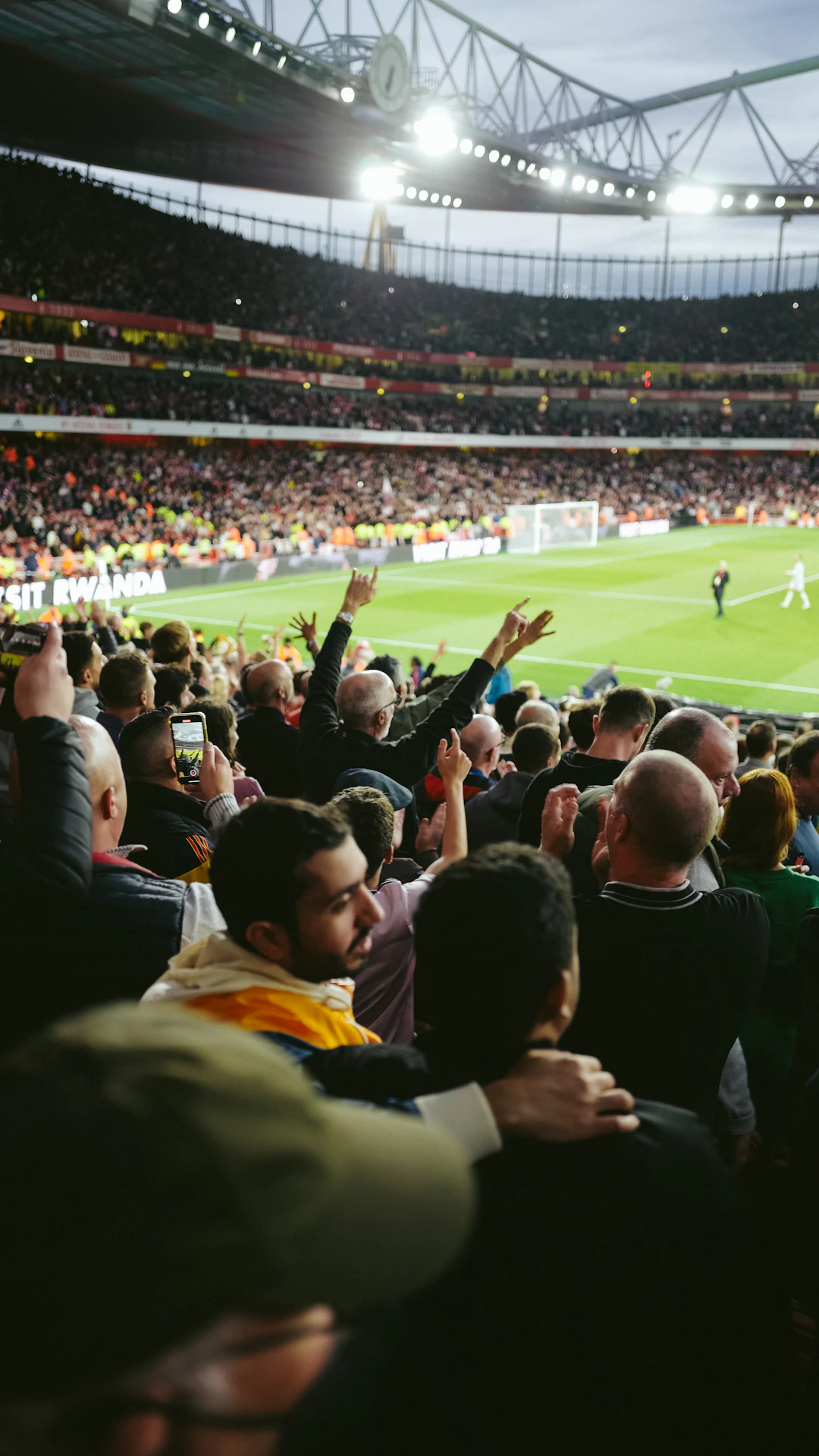
Os clássicos são o coração de muitas cidades. Impulsionam a venda de ingressos e lotam os bares locais. Os torcedores trazem orgulho, memórias e rivalidade que transformam jogos comuns em eventos imperdíveis.
Clássicos da cidade com as torcidas locais mais fervorosas
O dérbi de Manchester entre Manchester City e Manchester United atrai multidões e atenção mundial. O dérbi de Milão, no San Siro, divide bairros entre AC Milan e Inter, criando uma atmosfera eletrizante no estádio.
O clássico Old Firm de Glasgow, Celtic contra Rangers, tem um profundo significado histórico e social que vai além do futebol. O Derby Intercontinental de Istambul, Fenerbahçe contra Galatasaray, incendeia a cidade no dia do jogo. O Derby do Noroeste, Liverpool contra Manchester United, é um clássico de alta intensidade, embora não seja um derby típico de cidades.
Derbies que moldaram a cultura local e os rituais de rivalidade.
Os rituais nascem da experiência compartilhada. Em Buenos Aires, os torcedores do Boca Juniors e do River Plate organizam marchas barulhentas antes das partidas e exibem mosaicos gigantes. O confronto entre Napoli e Juventus evoca a identidade entre o sul e o norte da Itália, como visto em cânticos e faixas.
Na Escócia, os esforços para reduzir as demonstrações de rivalidade entre torcedores nos jogos do Celtic e do Rangers alteraram algumas tradições. Os torcedores mantêm fortes práticas simbólicas. Os comércios locais e o turismo se beneficiam com a chegada dos clássicos. Os hotéis lotam rapidamente e os pubs organizam eventos para assistir aos jogos. Os veículos de comunicação publicam edições especiais, mantendo vivas as tradições. cultura do derby vivo como motor econômico para os bairros.
Segurança, policiamento e a experiência moderna do derby
A segurança moderna em dias de jogos utiliza segregação, seguranças e câmeras de vigilância para controlar as multidões. Restrições de viagem e proibições de entrada em estádios visam infratores reincidentes. As forças policiais, as ligas e os clubes trabalham em conjunto para reduzir os focos de conflito.
Ainda existem desafios. Vandalismo, Questões como o uso de fogos de artifício e o controle de multidões exigem atenção constante. Alguns incidentes levaram a políticas mais rigorosas e a um melhor planejamento. Essas mudanças tornaram as partidas de derby mais seguras, mantendo sua intensidade.
- Exemplos de gestão: policiamento coordenado em Manchester, proibições direcionadas em Glasgow e treinamento aprimorado para comissários de bordo em Istambul.
- Problemas persistentes: Uso de sinalizadores, venda ilegal de ingressos e confrontos fora dos estádios.
Partidas históricas: momentos decisivos, controvérsias e lendas
Ao longo de décadas, algumas partidas históricas mudaram a forma como torcedores, clubes e nações enxergam o futebol. Esses jogos fazem mais do que entregar troféus. Eles criam histórias que alimentam rivalidades por gerações e moldam memórias compartilhadas.
Momentos controversos que intensificaram as rivalidades
Algumas partidas se tornam símbolos de raiva e identidade. O gol de mão de Diego Maradona contra a Inglaterra em 1986, conhecido como "A Mão de Deus", ainda provoca fortes reações na mídia e entre os torcedores.
O chute de kung fu de Eric Cantona em 1995, no Selhurst Park, transformou um evento em uma lenda cultural no Manchester United. A "Batalha de Nuremberg" de 2006 entre Portugal e Holanda foi marcada por muitas expulsões e acirrou rivalidades internacionais.
Esses momentos servem como exemplos-chave em jogos futuros. Comentaristas frequentemente os mencionam para construir narrativas. Torcedores os usam para justificar a desconfiança. Decisões de arbitragem nesses jogos muitas vezes moldam a identidade da rivalidade.
Partidas que lançaram lendas e eras dos clubes
Algumas partidas marcam novas eras e transformam jogadores em lendas. A atuação de Zinedine Zidane na final da Copa do Mundo de 1998 garantiu seu lugar na história do futebol francês.
As importantes atuações de Lionel Messi no El Clásico ajudaram a moldar seu legado no Barcelona. Os gols decisivos de Cristiano Ronaldo na ascensão do Manchester United no início dos anos 2000 impulsionaram sua fama mundial.
Os treinadores também constroem reputação com vitórias importantes. Sir Alex Ferguson usou grandes vitórias para construir uma dinastia duradoura. As primeiras vitórias de Pep Guardiola no Barcelona estabeleceram um modelo tático copiado em todo o mundo.
Esses resultados afetam os mercados de transferências, moldam o recrutamento de jovens talentos e alimentam as expectativas dos torcedores. Eles reverberam pelo mundo do futebol de diversas maneiras.
Decisões de arbitragem, VAR e narrativas de rivalidade
Controvérsias de arbitragem Há muito tempo que despertam raiva e geram histórias. Gols anulados, pênaltis contestados e cartões vermelhos são repetidos à exaustão até se tornarem parte da história.
VAR Chegou para reduzir erros óbvios, mas criou novos problemas. Às vezes resolve as chamadas, mas pode agravar as discussões devido a atrasos e pontos de vista diferentes.
partidas de alto nível onde VAR Decisões alteradas ou confirmadas alimentam os debates sobre imparcialidade. Torcedores, comentaristas e clubes usam esses momentos para se preparar para partidas futuras, seja como forma de retaliação ou para comprovar parcialidade.
Em resumo, partidas históricas misturam drama em campo com significado fora dele. Jogos polêmicos, jogadas icônicas e arbitragem rigorosa mantêm as rivalidades vivas. Elas alimentam as histórias que tornam o futebol tão cativante.
Cultura de fãs e a psicologia por trás das rivalidades
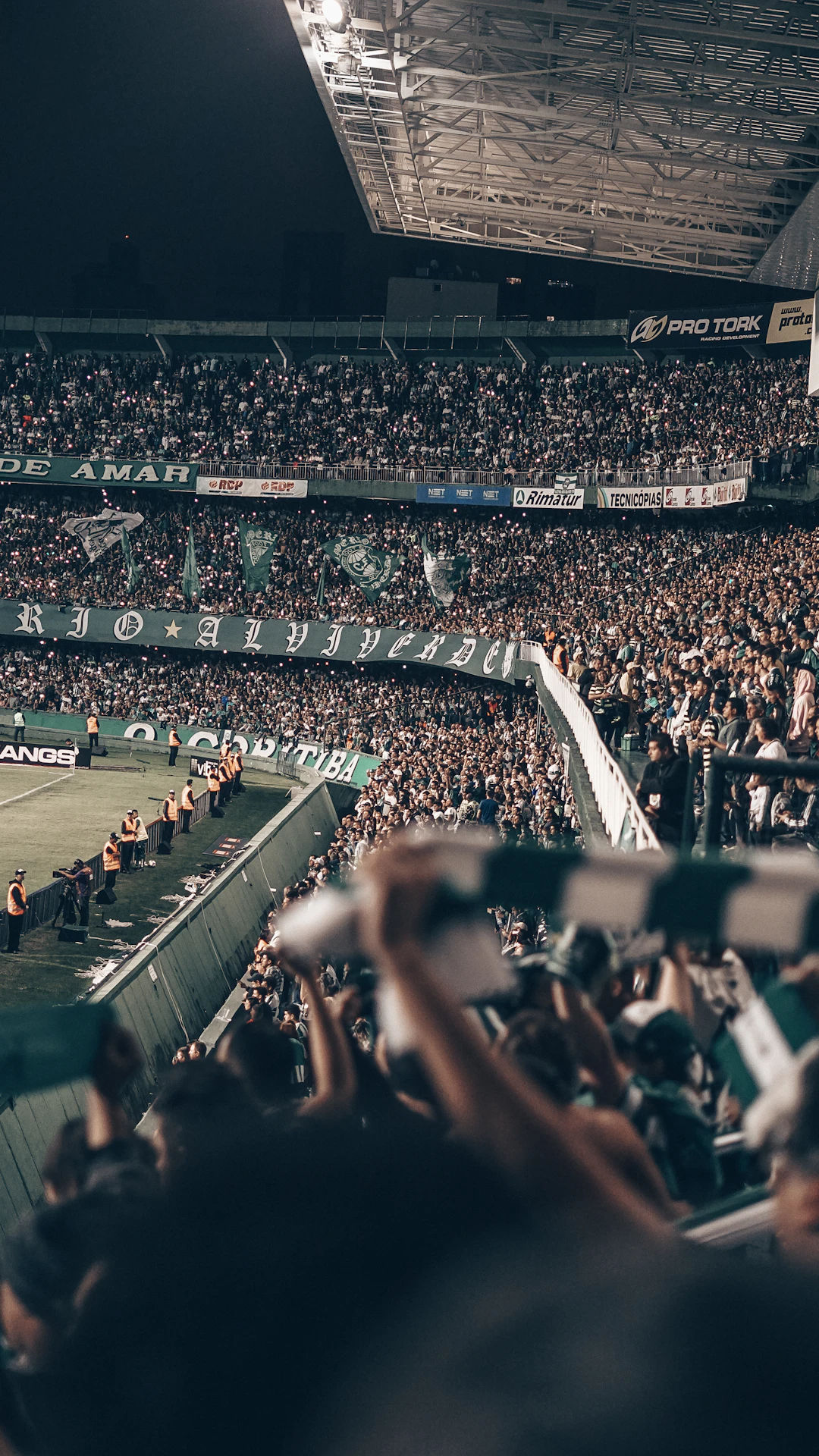
Cultura de fãs As rivalidades são moldadas por emoções. Cores, lenços, tifos coordenados e canções características criam uma identidade forte. Isso conecta gerações ao longo do tempo com símbolos compartilhados.
Um único cântico pode guardar décadas de memória. Um mural pode homenagear o lugar de um jogador na história local.
Cânticos, faixas e identidade visual em partidas de rivalidade.
Cânticos e faixas Criar presença nos estádios. "You'll Never Walk Alone", do Liverpool, mostra como uma música se torna um símbolo. Os clubes usam displays para demonstrar união e orgulho.
Os cânticos de rivalidade podem celebrar equipes ou provocar os adversários. Clubes e autoridades trabalham para coibir conteúdo violento ou discriminatório. Para isso, utilizam a presença de seguranças, multas e educação dos torcedores.
Rituais de leques, mitos e narrativas intergeracionais
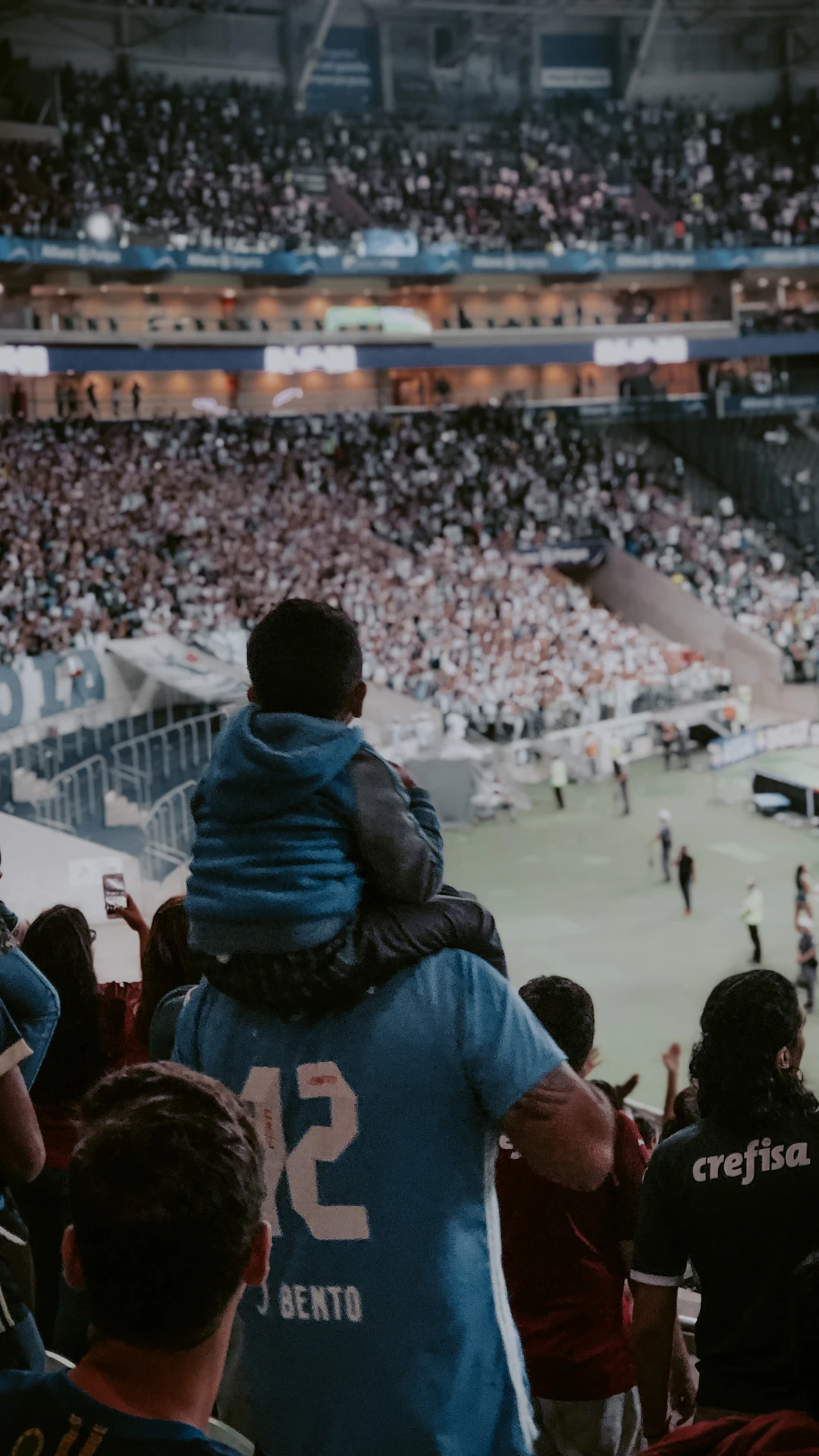
As histórias de rivalidade passam de pais para filhos em jogos, bares e mesas de jantar. A tradição oral mantém vivas as partidas antigas e conecta os torcedores ao passado.
Peregrinações de torcedores com ingressos de temporada, encontros antes das partidas e murais homenageiam os jogadores e constroem identidade. Esses rituais satisfazem necessidades profundas de pertencimento, orgulho e histórias compartilhadas.
Como a mídia, as plataformas sociais e o vandalismo moldam a percepção
A mídia tradicional enquadra as rivalidades com a repetição constante dos melhores momentos. Isso pode endurecer a opinião pública sobre times e partidas. As plataformas de mídia social disseminam incidentes rapidamente e criam microcelebridades que amplificam certas vozes.
Vandalismo Isso afeta a forma como alguns clássicos são vistos. Reformas policiais, proibições e esforços dos torcedores visam reduzir a violência. Mesmo assim, atos marginais moldam a reputação dos clubes para além dos estádios.
Conclusão
As rivalidades no futebol são mais do que apenas placares. Elas conectam história, cultura, política e esporte. Esses confrontos importam muito depois do apito final.
Dos jogos clássicos que moldaram o cenário mundial aos dérbis que incendeiam bairros, essas partidas dão ao futebol seu drama e alcance global.
Em confrontos entre clubes e seleções, partidas históricas e derbies locais, No entanto, alguns pontos em comum se destacam: momentos memoráveis, uma forte identidade de fãs e histórias que permanecem vivas na mídia e na memória.
Uma partida clássica geralmente combina habilidade em campo com histórias fora dele. A psicologia dos fãs ajuda a manter essas histórias vivas através das gerações.
As rivalidades enriquecem o futebol, mas trazem consigo responsabilidades. Clubes, ligas, emissoras e torcedores precisam encontrar um equilíbrio entre entretenimento, segurança e inclusão.
Isso garante que as rivalidades no futebol continuem sendo uma força positiva. Acompanhe os próximos clássicos, assista a documentários e explore os arquivos de partidas antigas.
Junte-se às comunidades de fãs com atenção para apreciar plenamente o profundo significado cultural do futebol.
Conteúdo criado com o auxílio de Inteligência Artificial.